
How to stop a pillow from going flat in the middle of the night
A pillow that feels right at bedtime but flat by 3 a.m. usually has a fill or loft problem you can fix without replacing it straight away.
By EuoNo · 2026-11-29
Most pillows go flat overnight because loose fill migrates away from your head or foam softens under body heat and pressure. Fluffing before bed, topping up adjustable fill, and choosing resilient materials such as latex or buckwheat keep the height you set until morning.
Summary
| Main cause | Fill migration and heat-softened foam lower the loft under your head. |
|---|---|
| Quickest fix | Fluff and reshape the pillow for 20-30 seconds before bed. |
| Lasting fix | Top up adjustable fill or switch to a resilient core such as latex. |
| Replace when | The pillow stays flat after fluffing and no longer springs back. |

Why does a pillow feel flat by 3 a.m. even if it felt fine at bedtime?
It feels flat because hours of steady pressure compress the fill under your head while the rest of the pillow stays higher. As the centre sinks, your head drops with it, so the pillow you set at bedtime is no longer the height you are sleeping on. Heat from your head and shoulders speeds this up in foam fills, which soften as they warm.

Why does loose fill move away from your head?
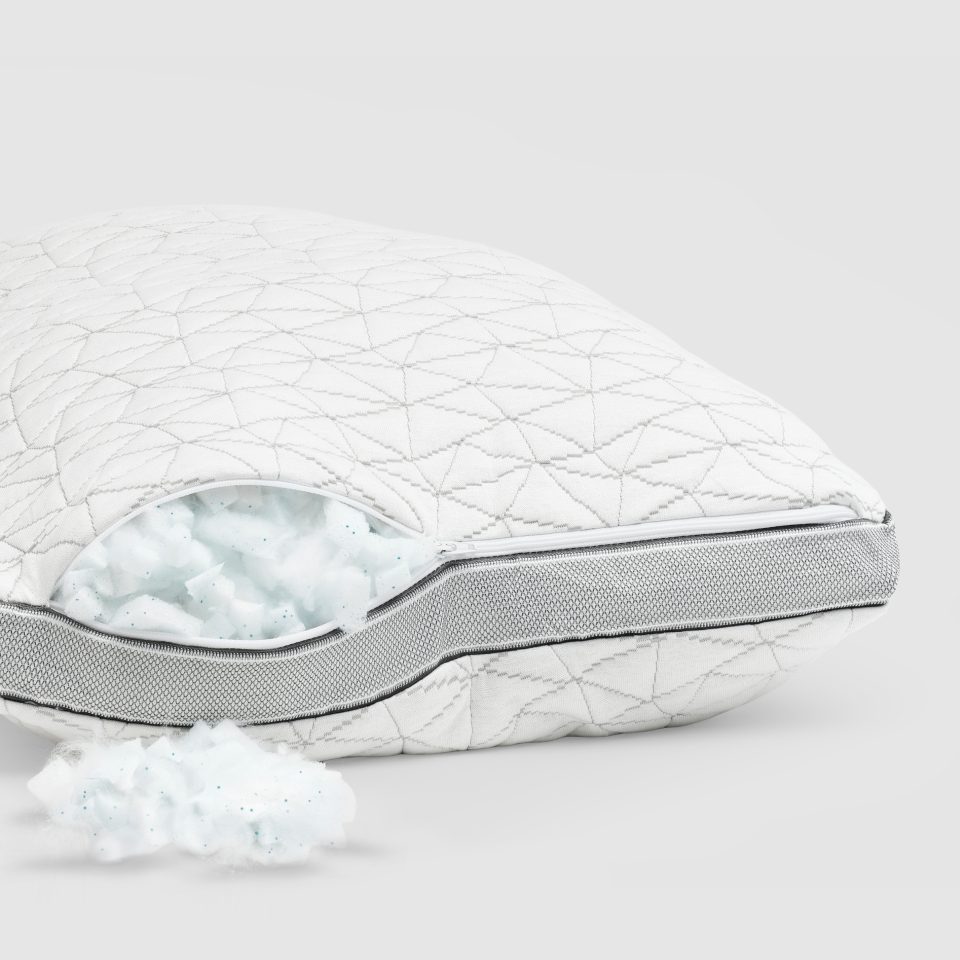
Loose fill moves because every turn of your head pushes shredded foam, down or fibre toward the edges, where nothing pushes it back. The photo shows how easily loose fill escapes and shifts once the cover is open. A pillow with a lot of empty space inside lets fill migrate fastest, which is why under-filled adjustable pillows flatten first.
How does fluffing before bed help, and how should you do it?
Fluffing helps because it pulls migrated fill back into the centre and reopens air pockets that give the pillow its height. Hold the pillow by opposite corners, shake it firmly for 20-30 seconds, then pat the centre into the shape you want. Doing this nightly takes less than a minute and is the simplest test of whether the fill still has life in it.

When does adding extra fill fix overnight flattening?
Adding fill fixes flattening when the pillow is adjustable and the centre sinks because there is simply not enough fill inside. Add a small handful at a time, zip the cover, and sleep on it for two or three nights before adding more. The extra-fill bag in the photo is exactly what adjustable designs are built for, and our best adjustable pillows guide explains how much range to expect.

Which pillow materials hold their height longest overnight?
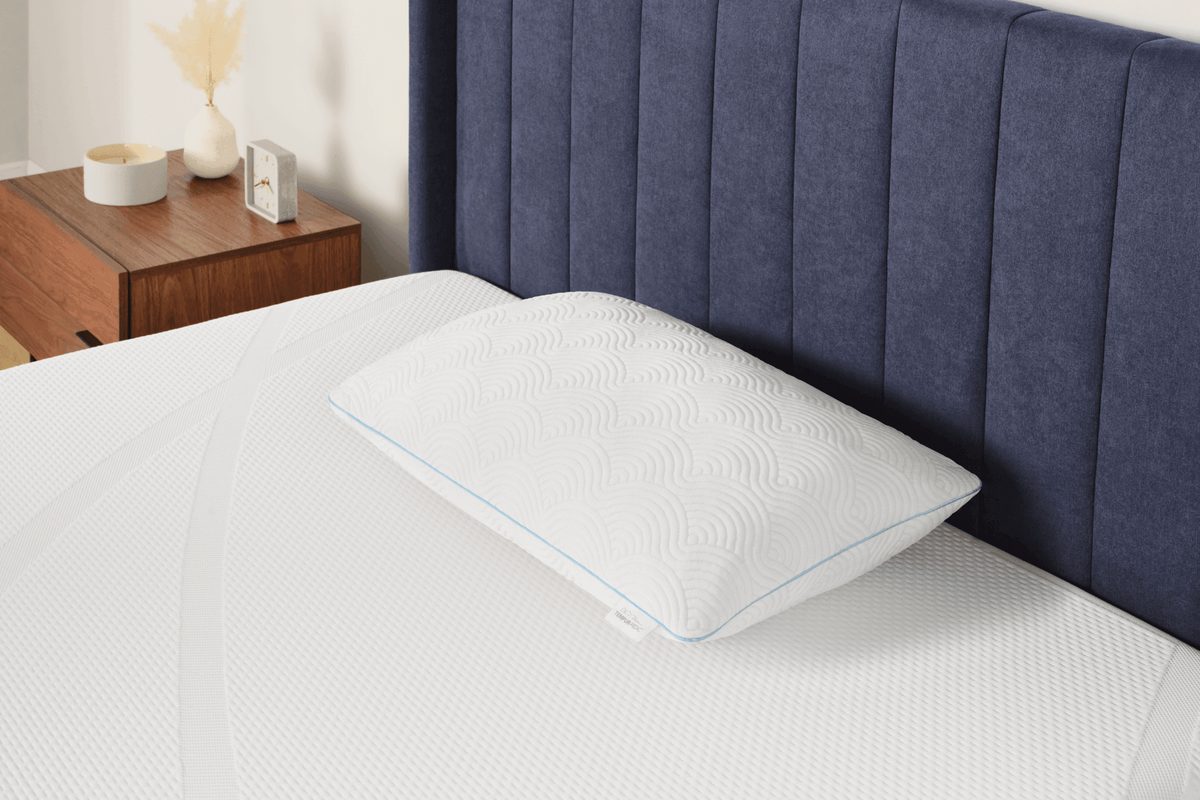
Latex and buckwheat hold their height longest because both spring back or stay moulded instead of slowly compressing. The photo pairs a ventilated latex core with buckwheat hulls, the two fills that change least between bedtime and morning. Down and down-alternative fills feel plush at first but compress the most, so they need nightly fluffing to hold loft. Compare the trade-offs in our latex vs memory foam comparison.

Why does memory foam feel lower after hours of body heat?
Memory foam feels lower because it is temperature-sensitive: body heat softens the foam, so your head sinks deeper the longer you lie still. That slow sink is normal for the material, not a defect, but it means the loft you measure in the shop is not the loft you get at 3 a.m. If the sink bothers you, a firmer or latex core holds a steadier height.
How does a shaped foam core keep its height without fluffing?
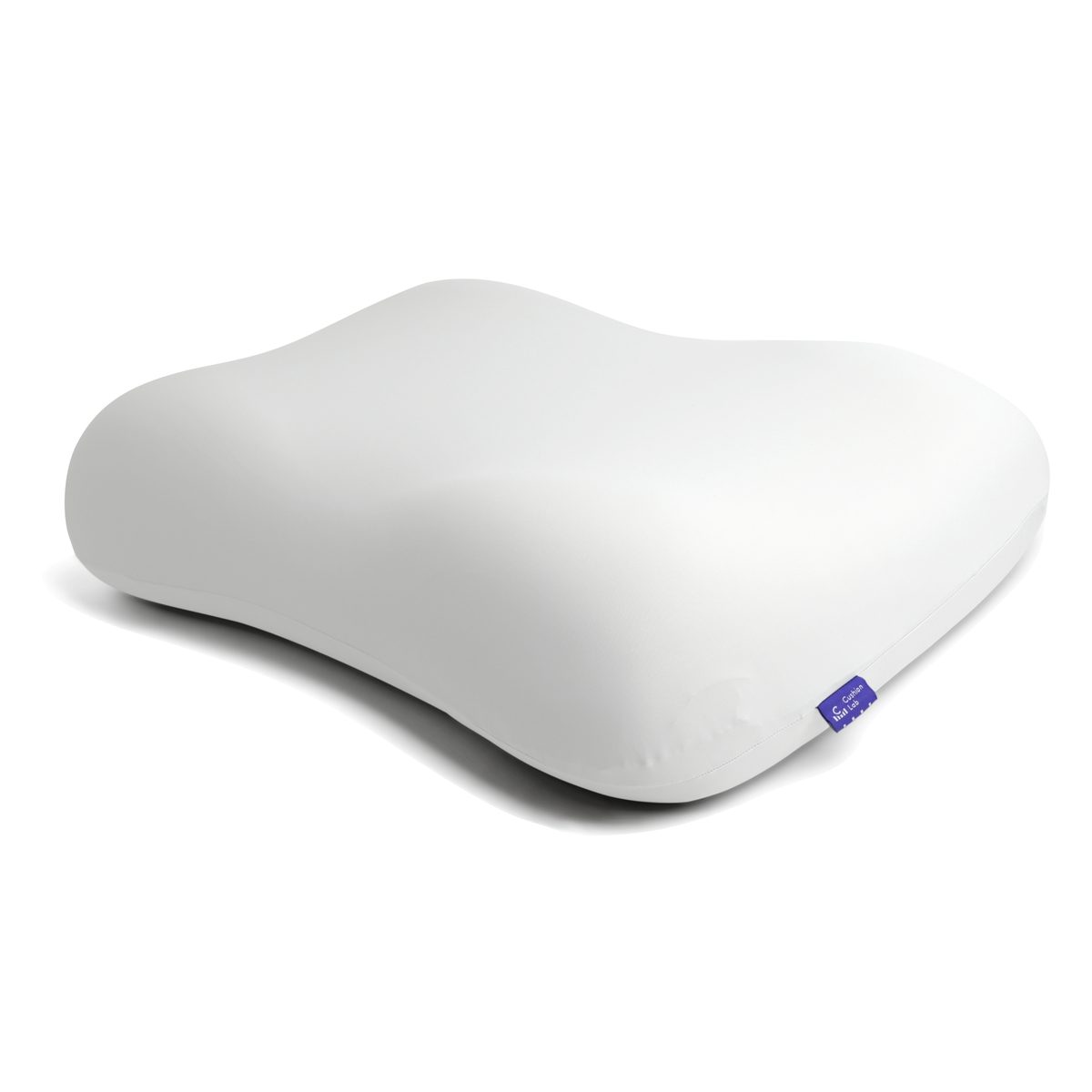
A shaped core keeps its height because the foam is moulded as one piece, so there is no loose fill to migrate. The contoured shape in the photo holds the same profile all night, which suits sleepers who dislike nightly fluffing. The trade-off is that the height is fixed, so the shape has to match your pillow loft needs from the start.
What role does the pillowcase play in keeping fill in place?
The pillowcase matters because a loose, oversized case lets the pillow spread and thin out, while a well-fitted case holds the fill in a taller shape. A zippered protector adds a second layer of structure and slows fill migration. If your case bunches or slips, check the fit first with our guide to what pillowcase size fits a king pillow.
How can you test whether your pillow has permanently lost loft?
Test it by measuring the pillow's height at bedtime and again in the morning before you touch it. A healthy pillow returns close to its bedtime height after fluffing; a worn one stays visibly lower and feels thin in the centre. Folding the pillow in half is another quick check: if it stays folded instead of springing open, the fill has lost resilience.
When is overnight flattening a sign to replace the pillow?
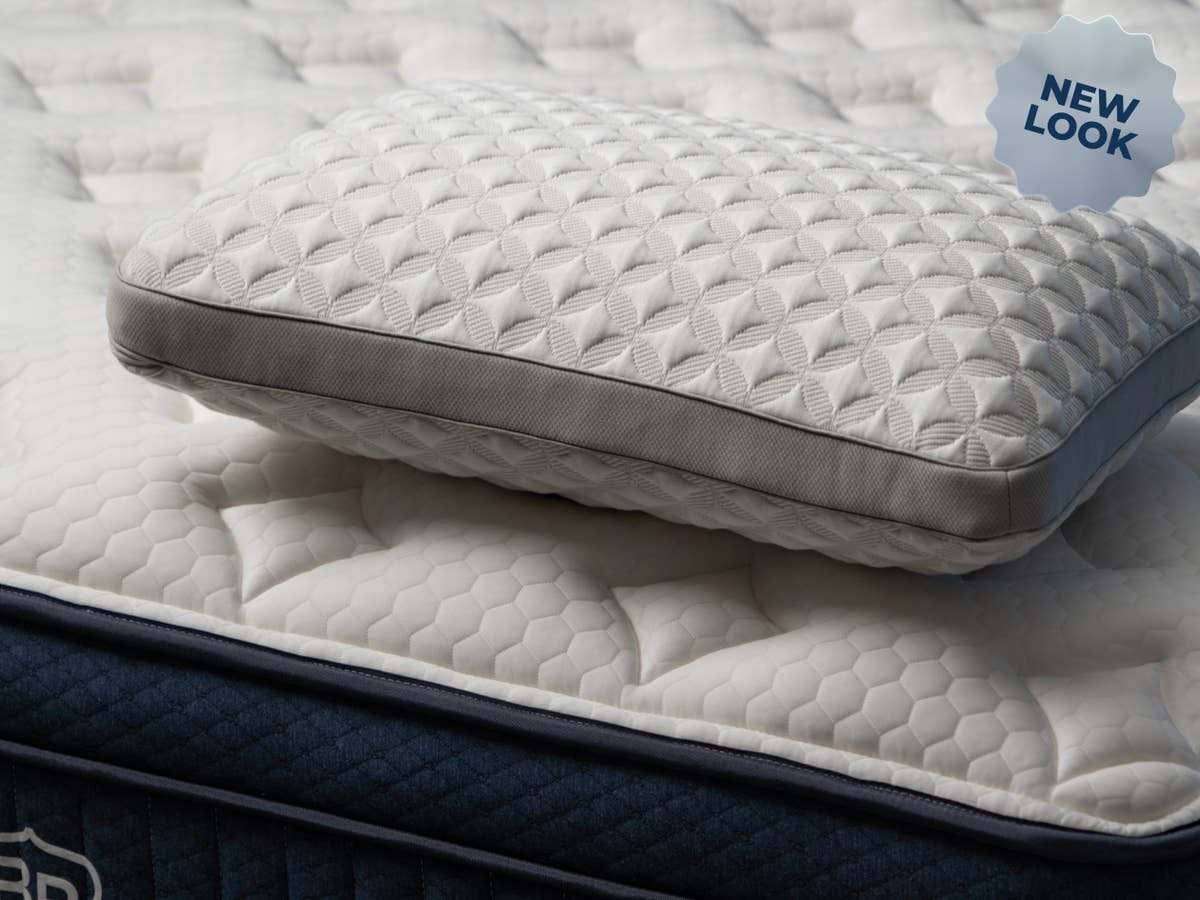
Replace the pillow when fluffing no longer restores its height and the centre stays thin night after night. Refillable designs delay that point because you can add fill, as the refill shown here suggests, but flattened foam cores cannot be revived. Our guide on when to replace a pillow lists the other signs to watch for.

Frequently asked questions
Does fluffing a pillow every night really help?
Yes, for loose-fill pillows. Twenty to thirty seconds of shaking redistributes fill to the centre and restores most of the loft lost during the previous night.
Can I put a flat pillow in the dryer to revive it?
Often, yes, if the care label allows it. Ten to fifteen minutes on low heat with dryer balls can re-loft down and fibre fills, but foam cores should not go in the dryer.
Is stacking two flat pillows a good fix?
Only as a short-term test. Two thin pillows slide apart and rarely give even support, so topping up one adjustable pillow works better.
Does a firmer pillow stop overnight flattening?
A firmer fill compresses less under your head, so it holds height better. Firmness alone is not enough, though: the loft still has to match your sleep position.
How often should I add fill to an adjustable pillow?
Add a small amount whenever the centre starts sinking again, then sleep on it for two or three nights. Small changes settle more predictably than one large top-up.
Will a pillow protector stop my pillow going flat?
A fitted zippered protector slows fill migration and adds structure, but it cannot revive worn fill. It works best on a pillow that still springs back after fluffing.
How long should a pillow keep its loft?
It varies by fill: latex and buckwheat hold shape for years, while down-alternative fills often flatten within one to two years of nightly use.
Affiliate disclosure: Best Pillows is reader-supported. When you buy through links on this page, we may earn an affiliate commission at no extra cost to you. Rankings are based on research, not paid placement.