Adjustable loft
Coop Eden Adjustable Pillow
I would choose this when adjustable support matters and cooling is part of the buying decision.

Hot side sleepers need two things at once: enough height to fill the shoulder gap, and materials that do not trap heat against the face.
By EuoNo · 2026-11-29
For hot side sleepers who need higher loft, start with adjustable or latex designs: they hold side-sleeper height while letting air move better than solid memory foam. Measure your shoulder gap first, then choose between tunable fill, responsive latex and mouldable buckwheat, and confirm trial terms before buying.
| Best starting point | Adjustable fill you can raise for side sleeping and lower if it feels too high. |
|---|---|
| Coolest materials | Latex and buckwheat breathe better than solid memory foam. |
| Loft target | Side sleepers usually need more height than back or stomach sleepers. |
| Check before buying | Trial period, return terms and cover care on the retailer listing. |

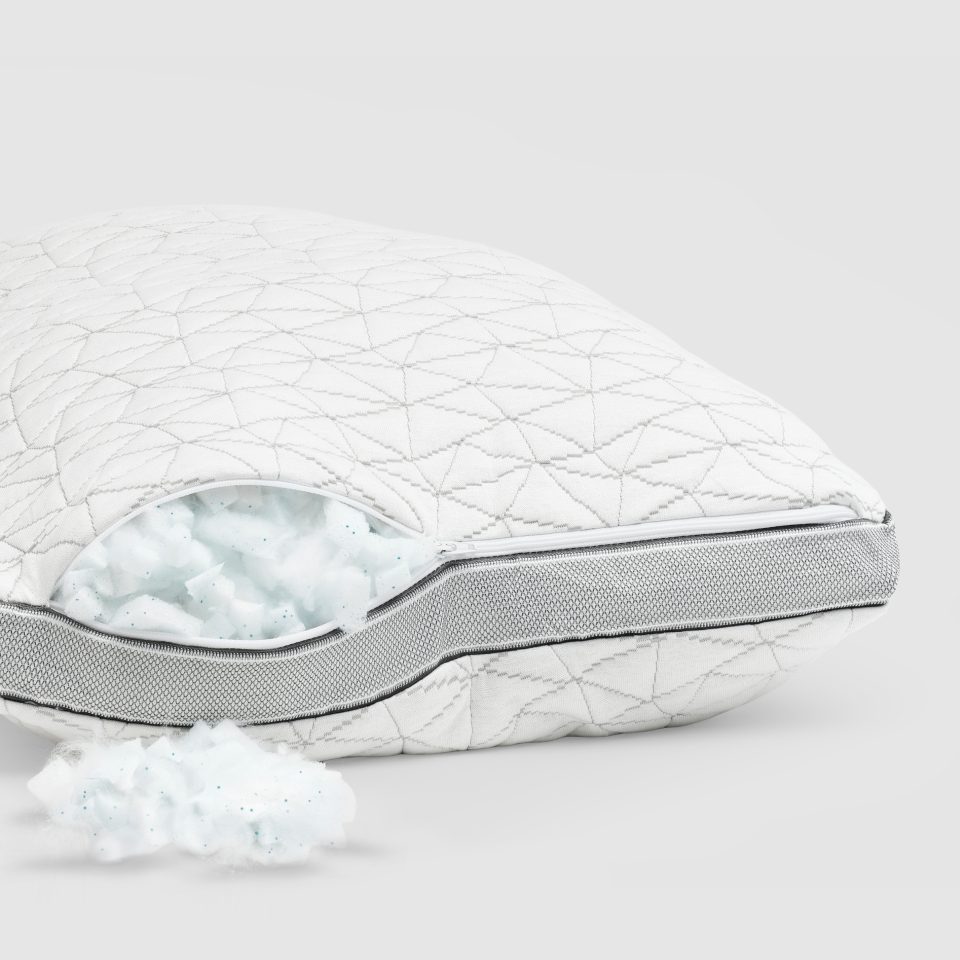
An adjustable pillow is the safest start because you can raise the loft for side sleeping and remove fill if your neck feels pushed up. The loose fill shown here is what makes that tuning possible, and it also lets air move through the pillow better than a solid foam block. Compare the two adjustable options below, then read our best adjustable pillows guide for the full shortlist.
I would choose this when adjustable support matters and cooling is part of the buying decision.
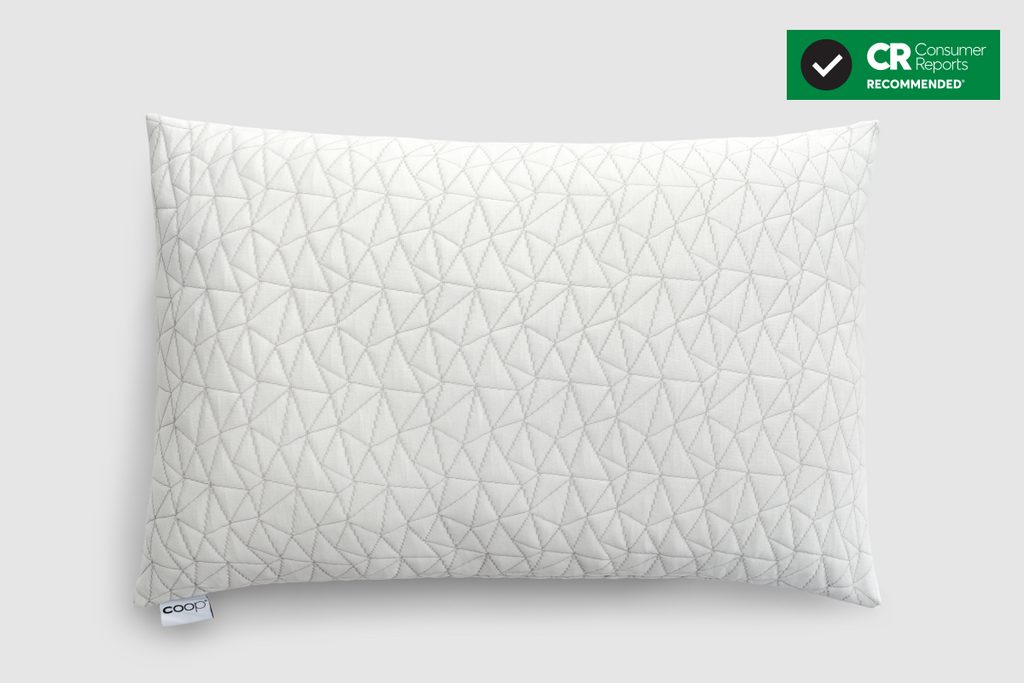
I would start here when a shopper needs adjustable height and the broadest chance of finding a workable fit.
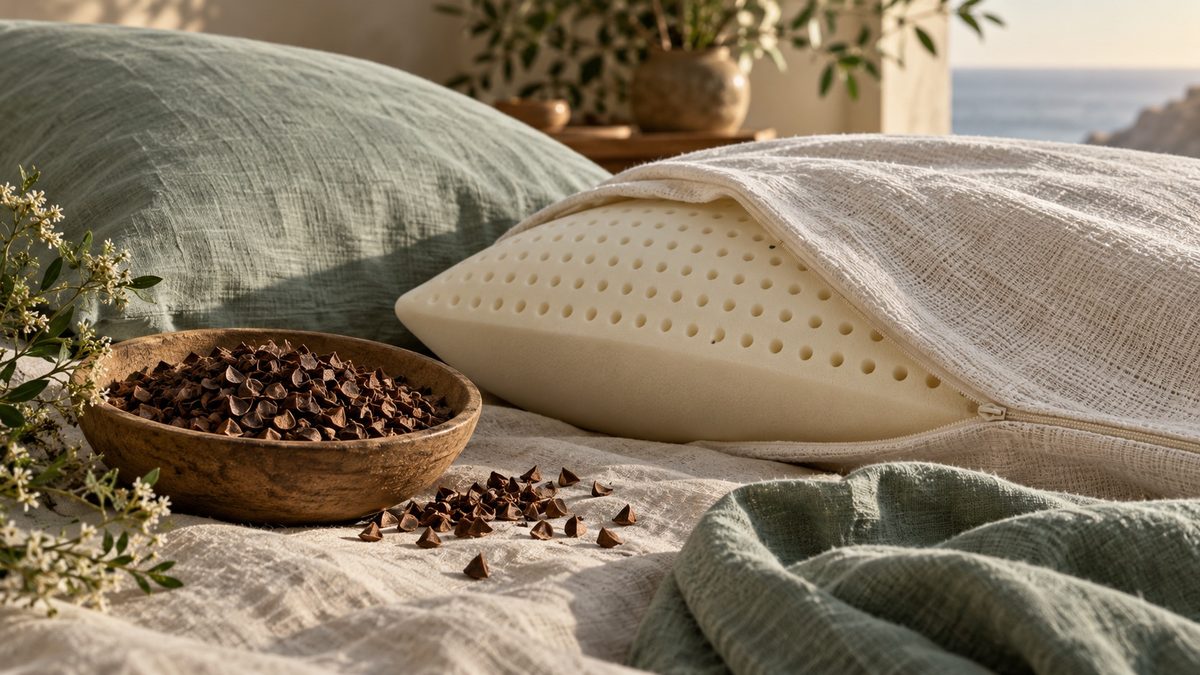
Latex sleeps cooler than memory foam for most hot sleepers because its open, ventilated structure lets air circulate instead of storing heat. The ventilated latex core in this photo shows the channels that help. Latex also springs back instantly, so side sleepers keep their loft all night instead of sinking as the foam warms. See how the materials differ in our latex vs memory foam comparison.
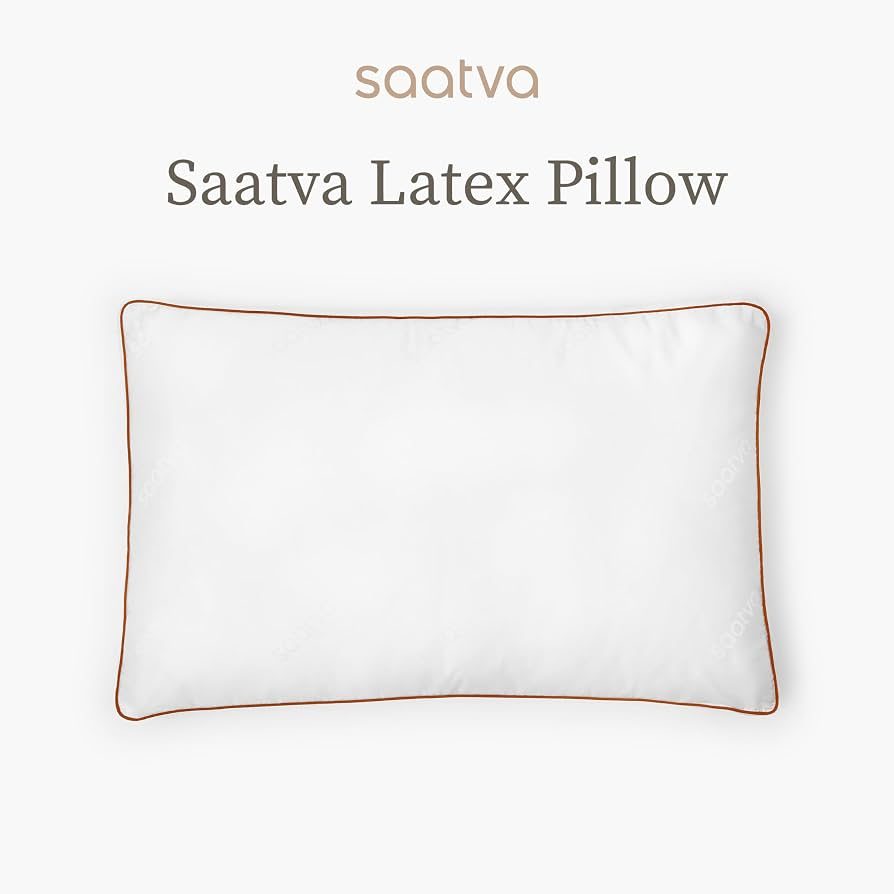
I would look at this first when premium latex feel matters more than getting the lowest price.
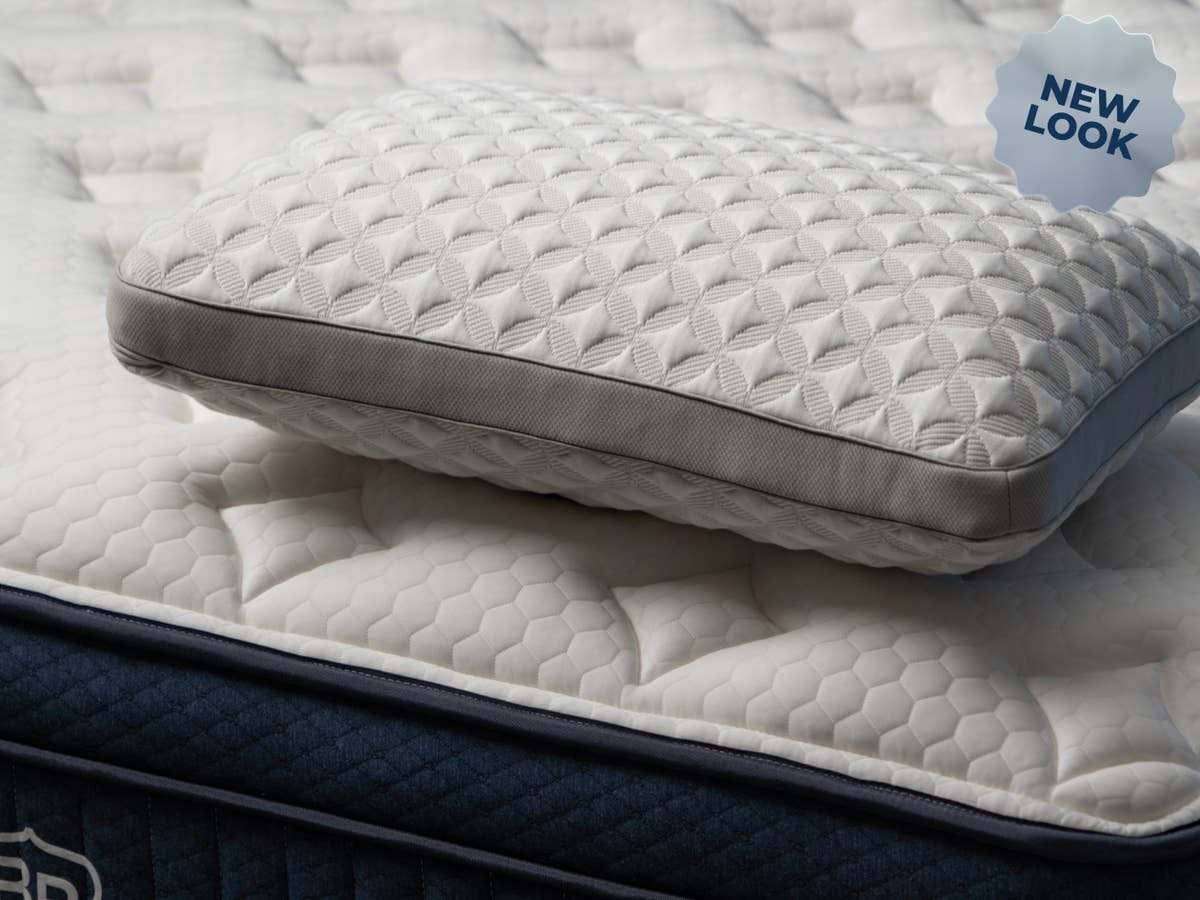
I would look here for a lower-cost way to try responsive Talalay latex.
Buckwheat keeps a side sleeper cooler because air flows between the hulls, and higher because the hulls lock together where you mould them. You can build a firm ridge under the neck and a hollow for the head, then reshape it in seconds. The trade-off is weight and a rustling sound that some sleepers dislike.
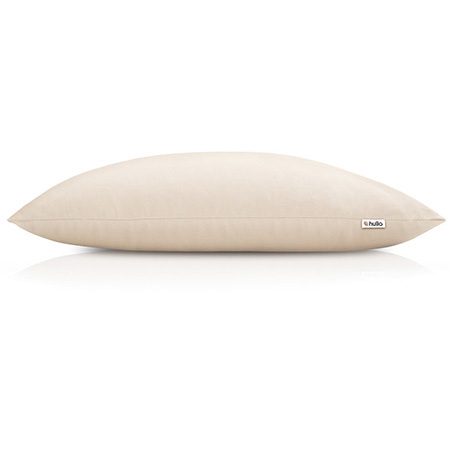
I would choose this when firm, moldable, breathable support is more important than softness.
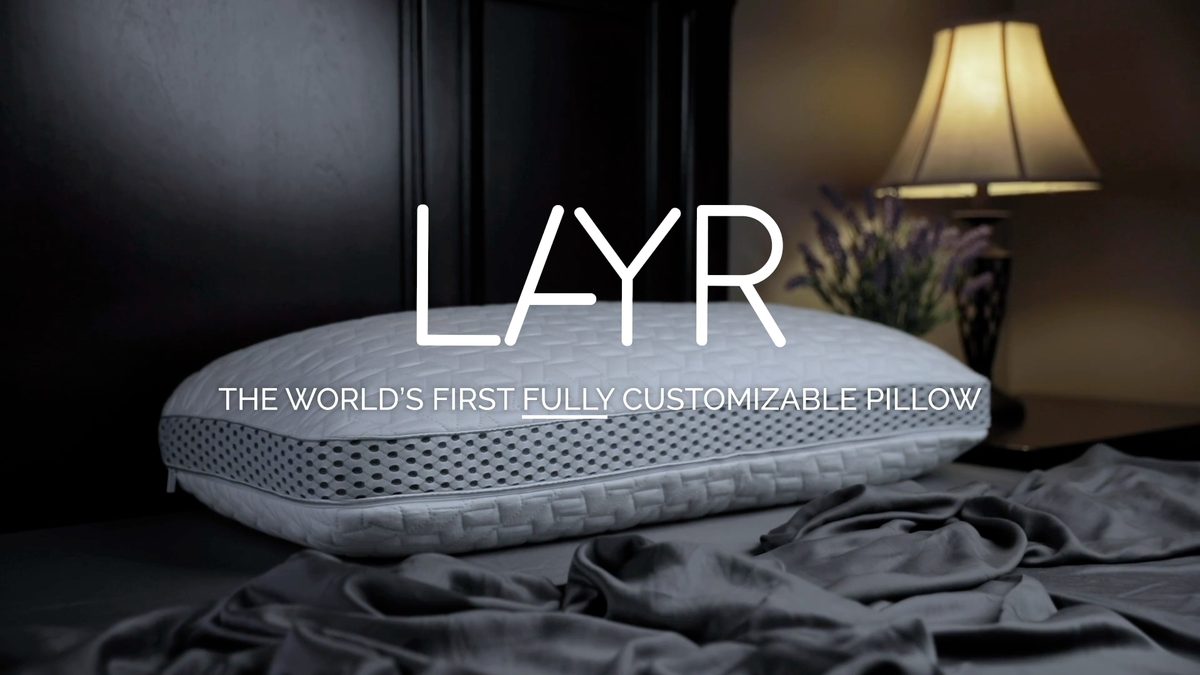
I would choose this for a sleeper who genuinely wants to change firmness and loft.
A contoured pillow holds its height because the foam is moulded in one piece, so nothing migrates during the night. The shaped profile here suits side sleepers who want the same height every night without fluffing. Fixed height is the risk: measure your shoulder width first so the contour matches your gap.
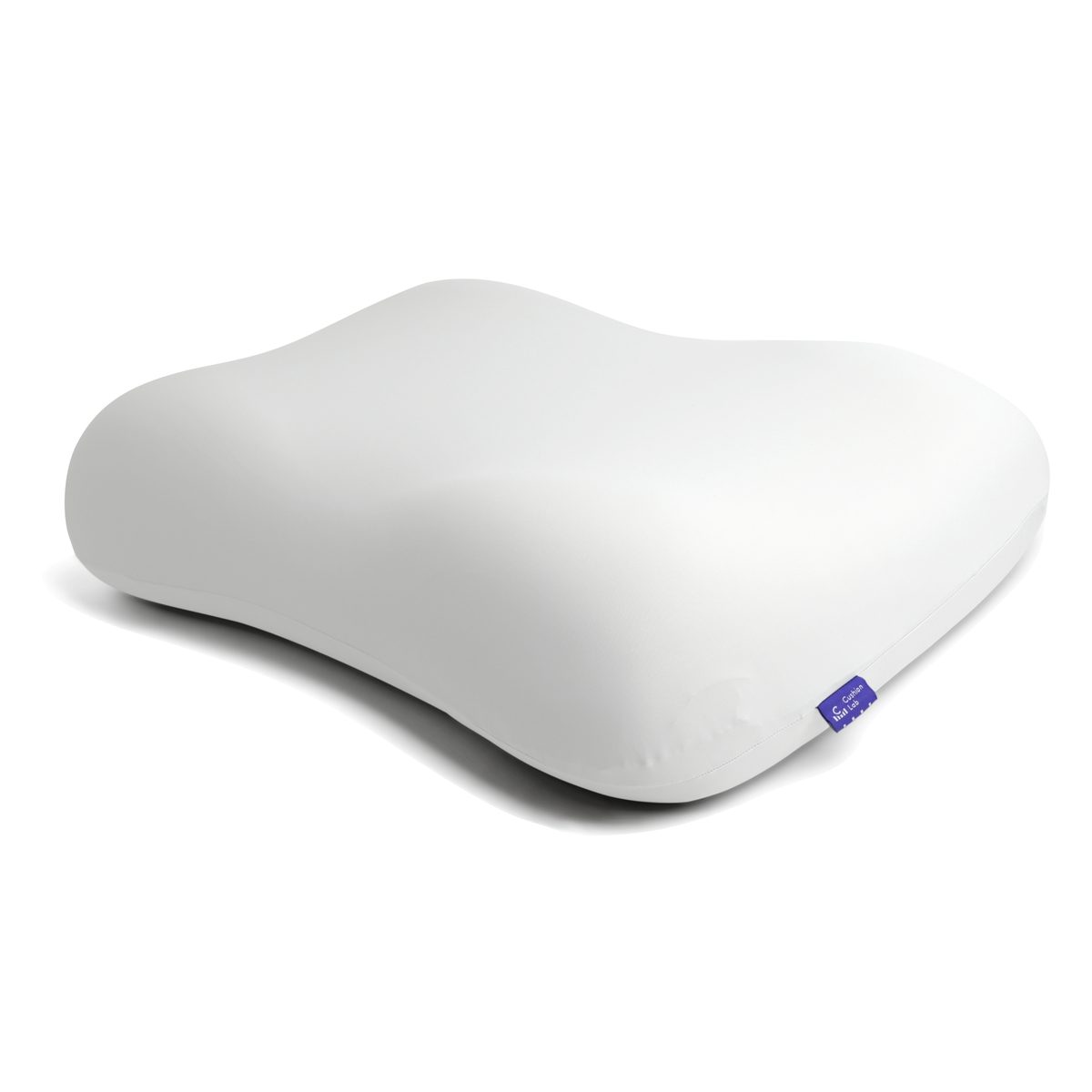
I would choose this when I wanted a structured contour instead of loose fill.

I would only recommend this when side sleeping is the clear priority.
A pillow feels cool at first touch when its cover and surface layer move heat away from the skin quickly, which is different from staying cool all night. Grid and gel-style surfaces feel coolest in the first minutes, while breathable fills matter more by 3 a.m. Treat first-touch coolness as a bonus, not the whole cooling story.
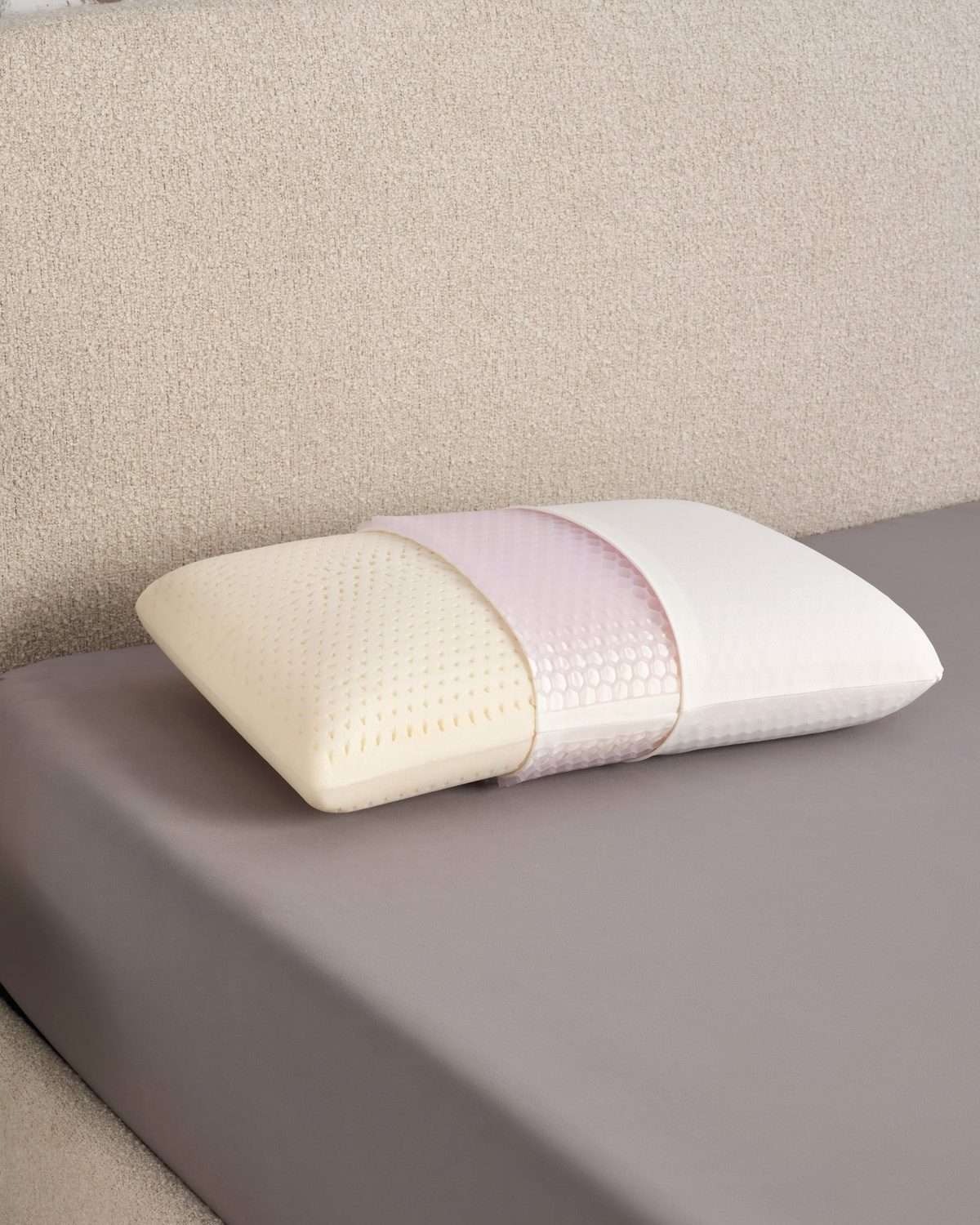
I would treat this as a specialist cooling pick, not a universal pillow.
I would choose this when adjustable support matters and cooling is part of the buying decision.
Broad-shouldered side sleepers need more loft because the gap between the mattress and the head is wider. Too little height lets the head drop toward the mattress; too much pushes it up. Our best pillow for broad shoulders guide walks through the measurement, and adjustable or cube shapes give the most height control.
I would only recommend this when side sleeping is the clear priority.
I would start here when a shopper needs adjustable height and the broadest chance of finding a workable fit.
Height without trapped heat comes from a breathable cover over a fill that lets air pass, rather than a sealed foam surface. A plush adjustable pillow can add height while its cover stays airy, as long as you do not overfill it. Check that the cover is removable for washing, because a fresh cover sleeps cooler than a stale one.
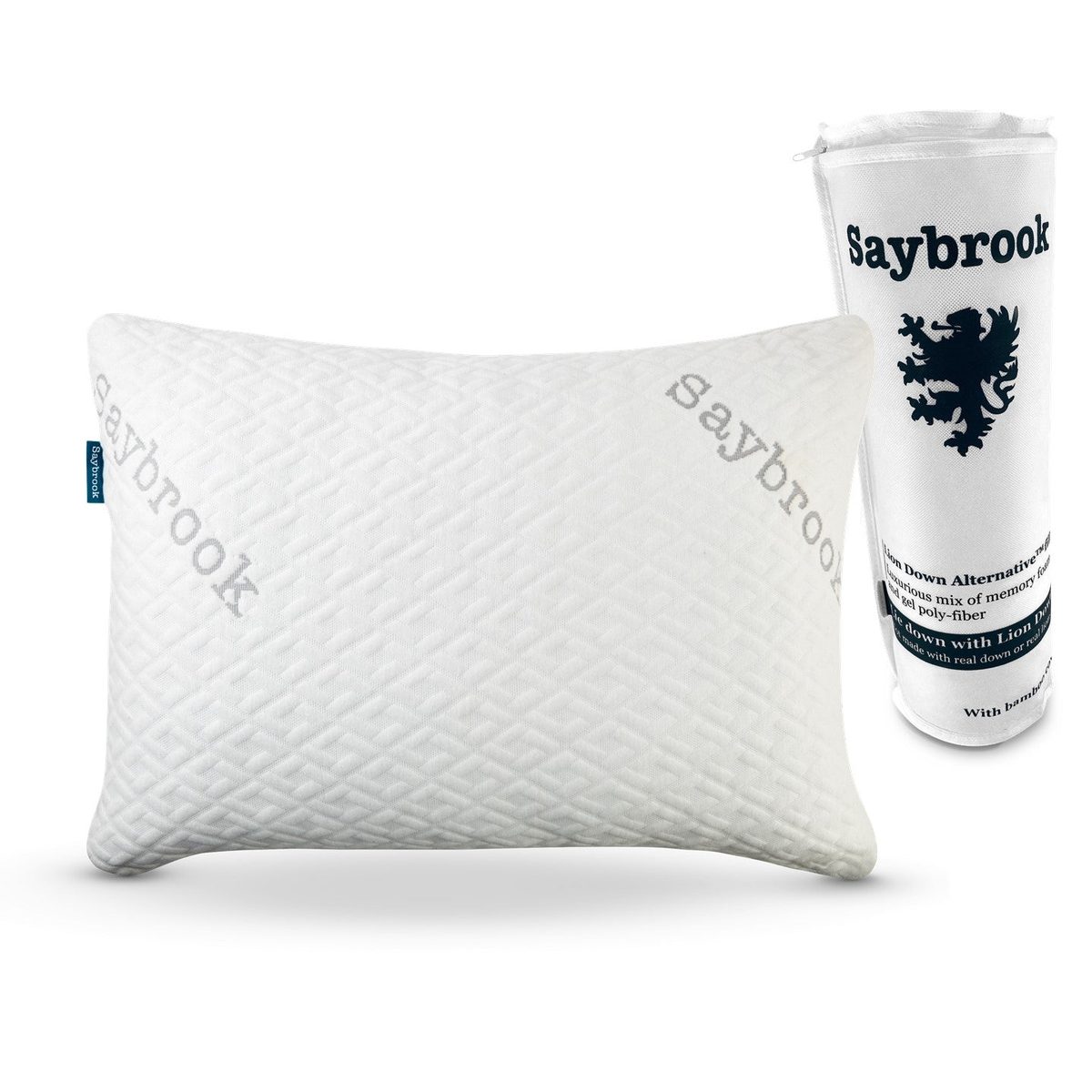
I would choose Saybrook when a plush feel and adjustable height need to coexist.
I would choose this for a sleeper who genuinely wants to change firmness and loft.
A customizable pillow helps because you can add height exactly where your head rests instead of replacing the whole pillow. Layered inserts make that change structured: add a layer for side sleeping, remove it if you roll to your back. This suits combination sleepers who run hot and need different heights in different positions.
I would choose this for a sleeper who genuinely wants to change firmness and loft.

I would consider this when a customized buying process is worth the extra time and cost.
Hot sleepers should treat solid memory foam with caution because it softens and holds heat as the night goes on. That does not rule it out: adjustable foam designs let you lower the loft so less foam wraps the head. If you love the foam feel, prioritise a breathable cover and a trial period long enough for warm nights.
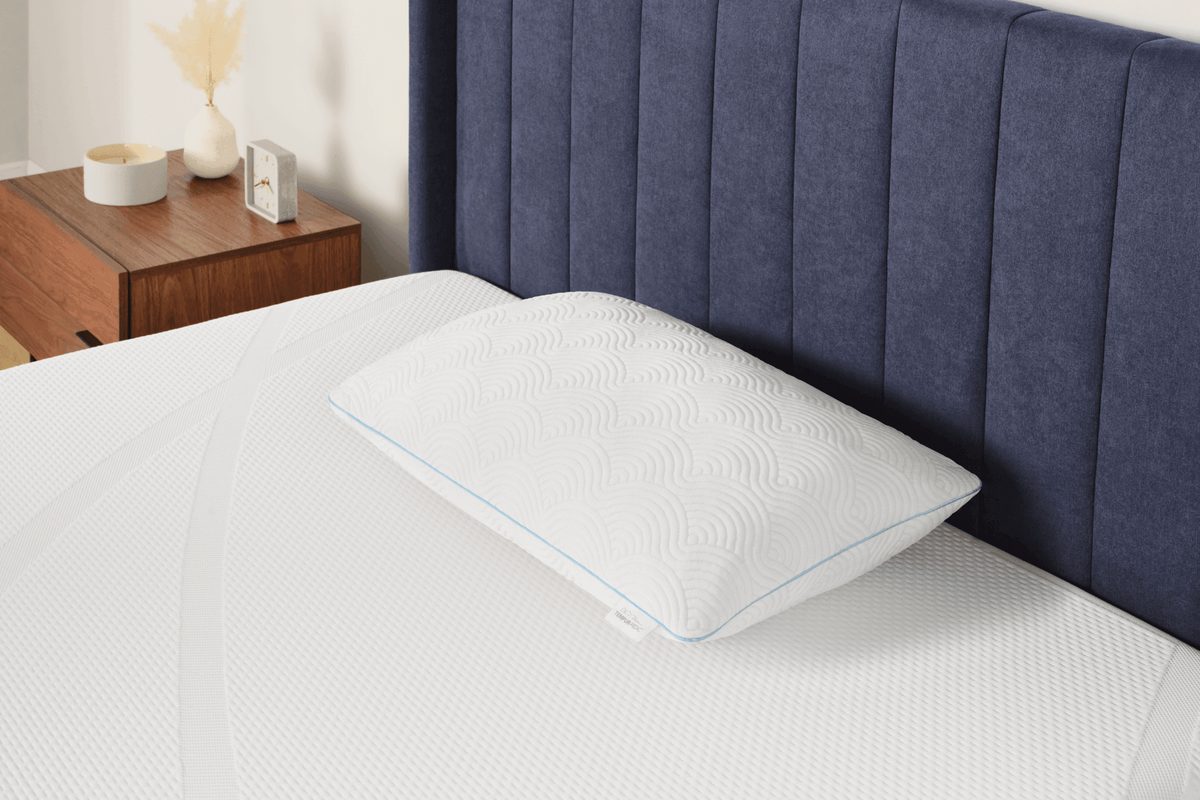
I would consider this when brand familiarity and adjustable foam matter most.
I would choose this when I wanted a structured contour instead of loose fill.
A hotel-style down-alternative pillow works on a budget when you fluff it nightly and pair it with a breathable case. These pillows compress more than latex, so side sleepers may need the fuller option or extra fill. Our best pillows under $75 guide sets the value benchmark for this category.
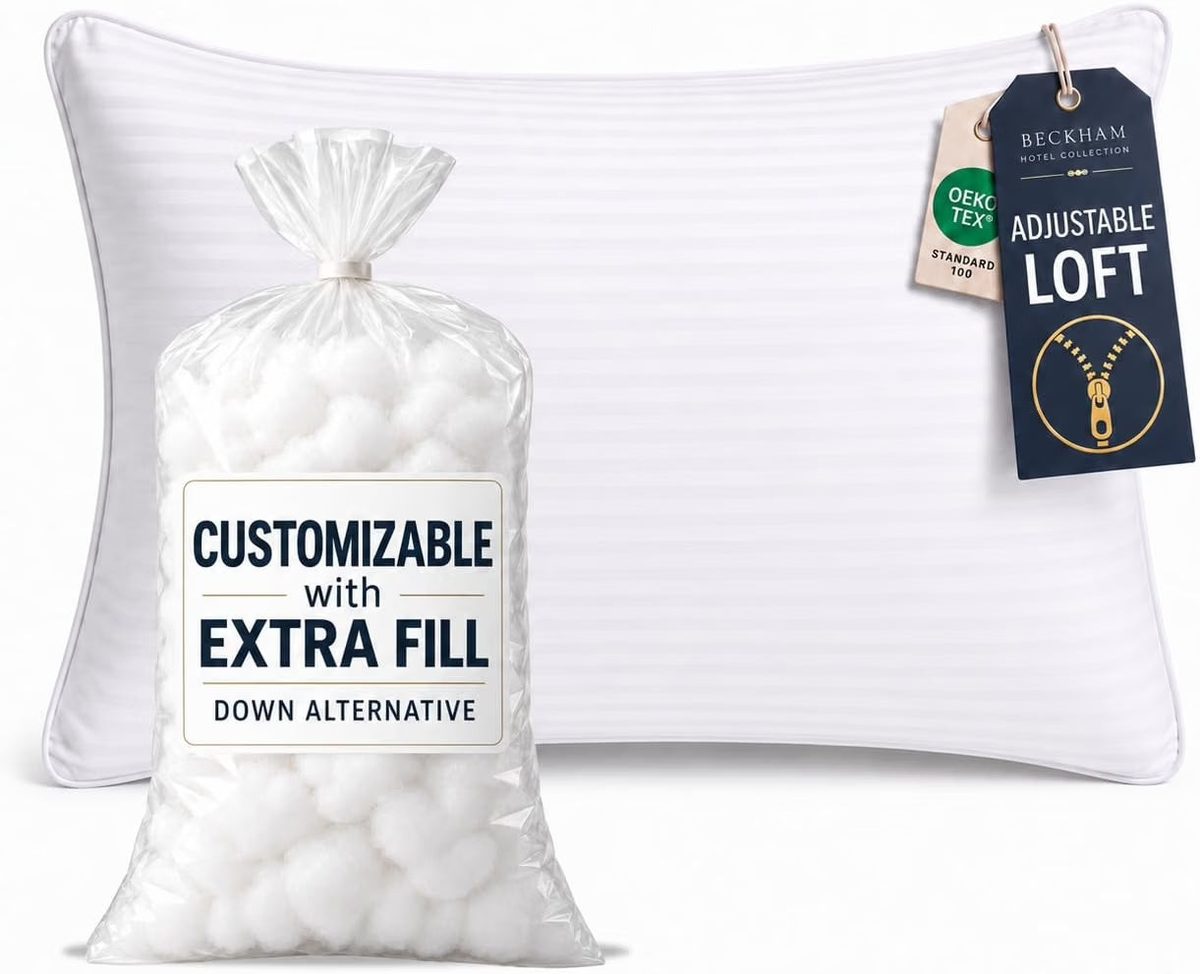
I would use this as the budget hotel-style benchmark in the lineup.
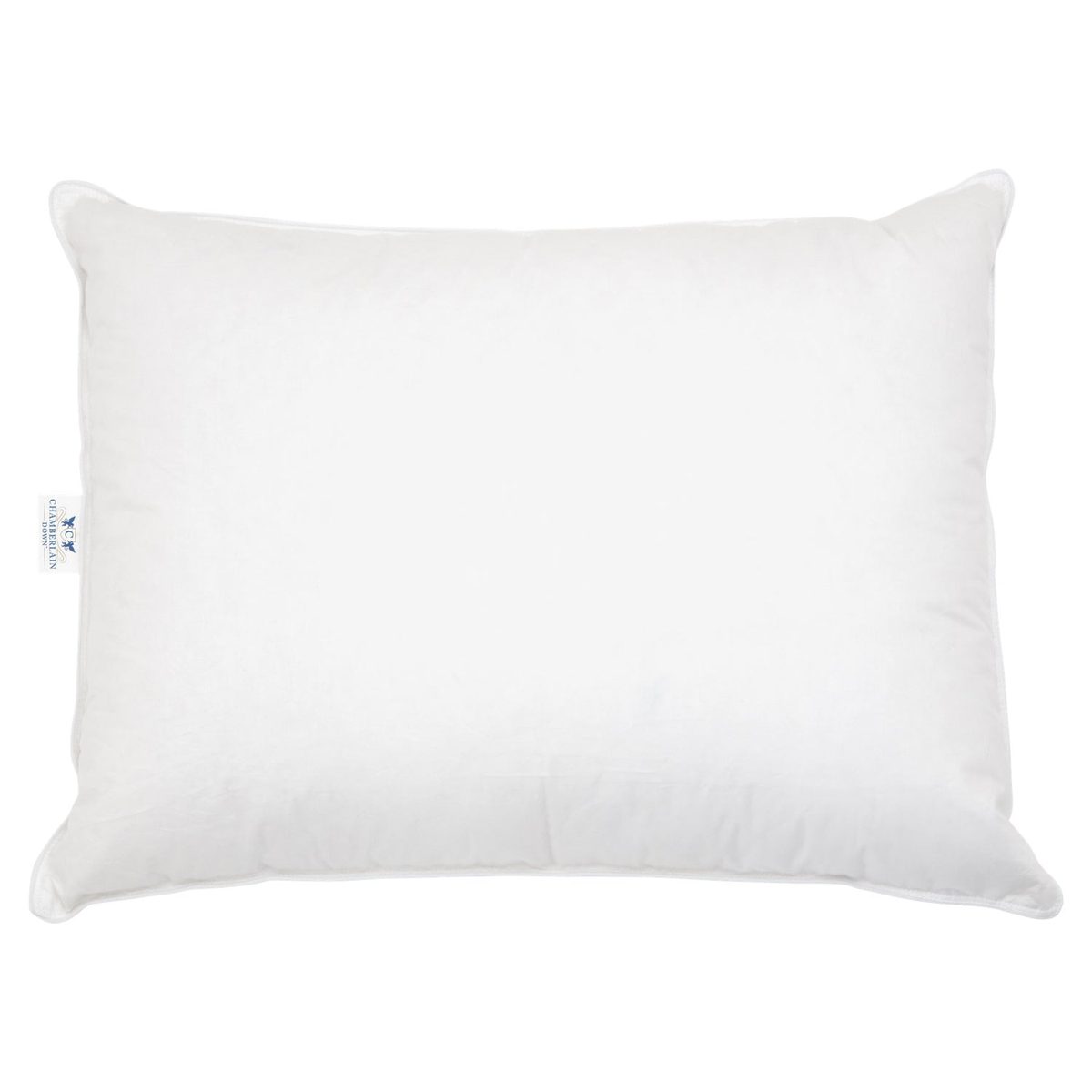
I would reserve this for someone who specifically wants luxury down and accepts the maintenance.
Down feels softer and drapes closer, while down alternative holds a more even loft and is easier to wash. Warm side sleepers often prefer the alternative's steadier height, because down compresses under the head and can feel warmer. Our down vs down alternative comparison breaks down care and feel.
I would reserve this for someone who specifically wants luxury down and accepts the maintenance.
I would use this as the budget hotel-style benchmark in the lineup.
A silk pillow suits side sleepers who dislike friction because the smooth surface lets the face glide instead of dragging. Silk feels cool at first touch, though it insulates once warmed, so it suits sleepers who want smoothness more than maximum airflow. The shaped silk design here also leaves room for the shoulder.
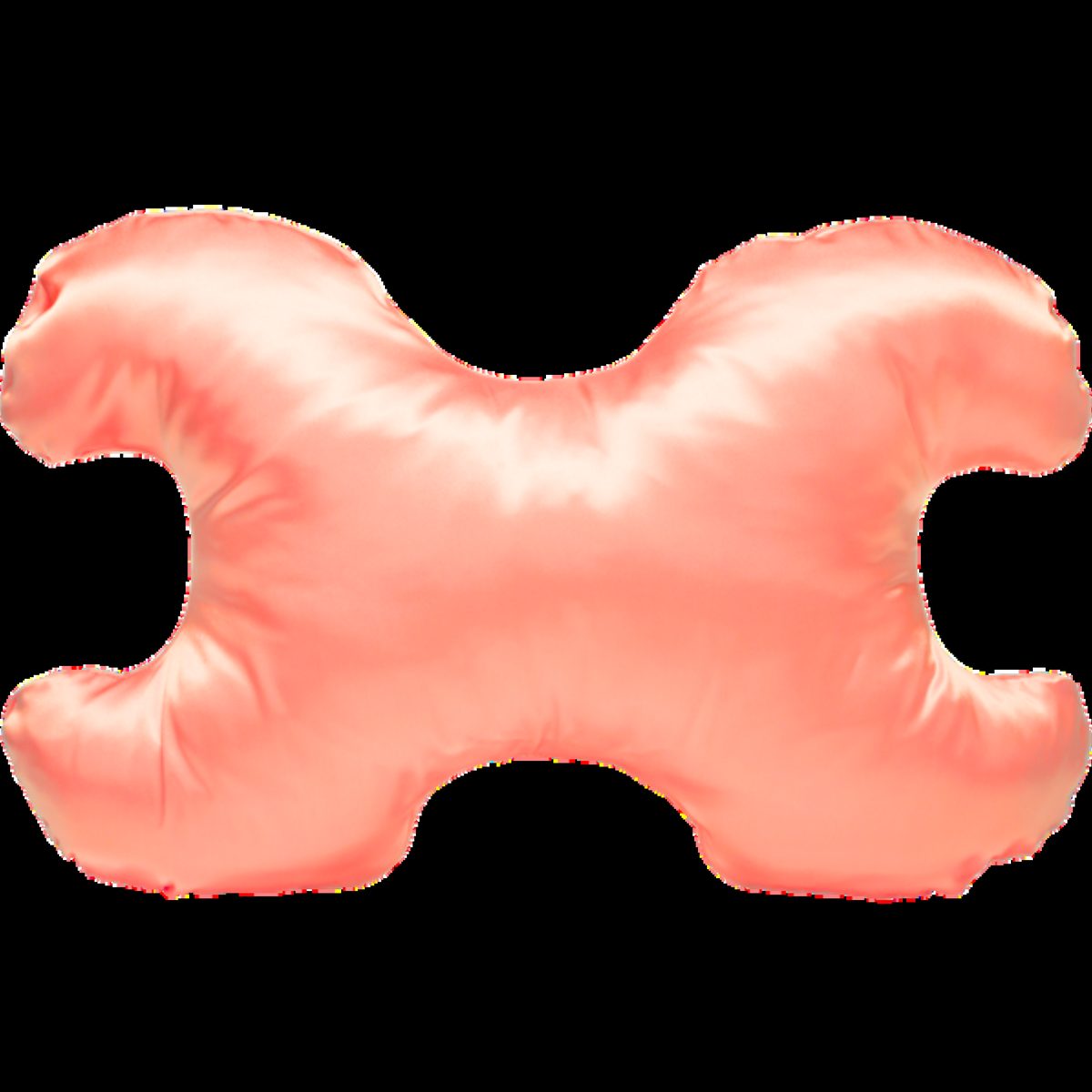
I would treat this as a niche experiment for a very specific face-off-pillow preference.
I would treat this as a specialist cooling pick, not a universal pillow.
Test loft by sleeping on your side for a full night and noting whether your head drops, stays level, or feels pushed up by morning. Test cooling over several nights, because one cool night proves little. A customized buying process can shorten the trial by matching the pillow to your answers first.

I would consider this when a customized buying process is worth the extra time and cost.
I would choose this when adjustable support matters and cooling is part of the buying decision.
The easiest pillows to clean have removable, washable covers and fills that tolerate airing. A washable cover matters most for hot sleepers, because sweat and oils build up in the cover first. Follow our how to clean a pillow guide for fill-specific care before washing anything.
I would start here when a shopper needs adjustable height and the broadest chance of finding a workable fit.
I would look here for a lower-cost way to try responsive Talalay latex.
Check four things: loft against your shoulder gap, material breathability, cover care, and trial terms. Prices and availability change, so confirm the current listing before buying. If you are torn between two finalists, our best cooling pillows and best pillow for side sleepers guides narrow the choice from each direction.

I would treat this as a specialist cooling pick, not a universal pillow.
I would choose this when firm, moldable, breathable support is more important than softness.
Choose enough loft to fill the shoulder gap so your head stays level. Broad shoulders need more height; narrow shoulders need less. Adjustable fill lets you fine-tune at home.
For most sleepers, yes. Latex is ventilated and springs back instead of softening with heat, while memory foam stores warmth and lets the head sink deeper over the night.
Buckwheat stays comparatively cool because air moves between the hulls and the fill does not store heat like foam. It is firm and rustles, which not everyone likes.
A breathable or cool-touch cover helps at the surface, but the fill decides how the pillow feels at 3 a.m. Pair a good cover with a breathable fill.
Your head feels pushed up and your neck bends away from the mattress. Remove fill or choose a lower loft, then retest for two or three nights.
Cube pillows give strong side-sleeper height, but their foam construction can feel warmer than latex or buckwheat. They suit side-dominant sleepers who prioritise height.
Look for a trial long enough to cover warm nights and position changes, with clear return terms. Confirm the current terms on the retailer listing before buying.
Affiliate disclosure: Best Pillows is reader-supported. When you buy through links on this page, we may earn an affiliate commission at no extra cost to you. Rankings are based on research, not paid placement.